


VocalData® for Farms
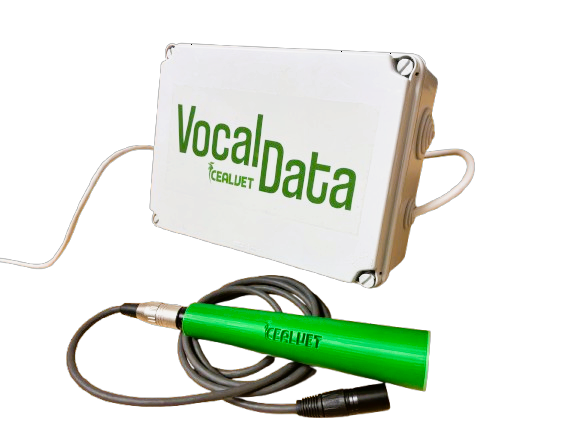
The acoustic recording of birds offers poultry farmers continuous and efficient monitoring of the entire flock, speeding up intervention in case of production problems.
VocalData® monitors bird vocalizations in real time to detect behavioral patterns such as wing flapping and stress calls. Furthermore, artificial intelligence models allow for the extraction of a five-day prediction of the weight of a flock of males, females, and/or mixed birds from these vocalizations.
The system allows real-time notifications to be sent to the poultry farmer via app, SMS or email, making the management of thousands of animals quick and efficient.
STUDY WITH VOCALDATA®
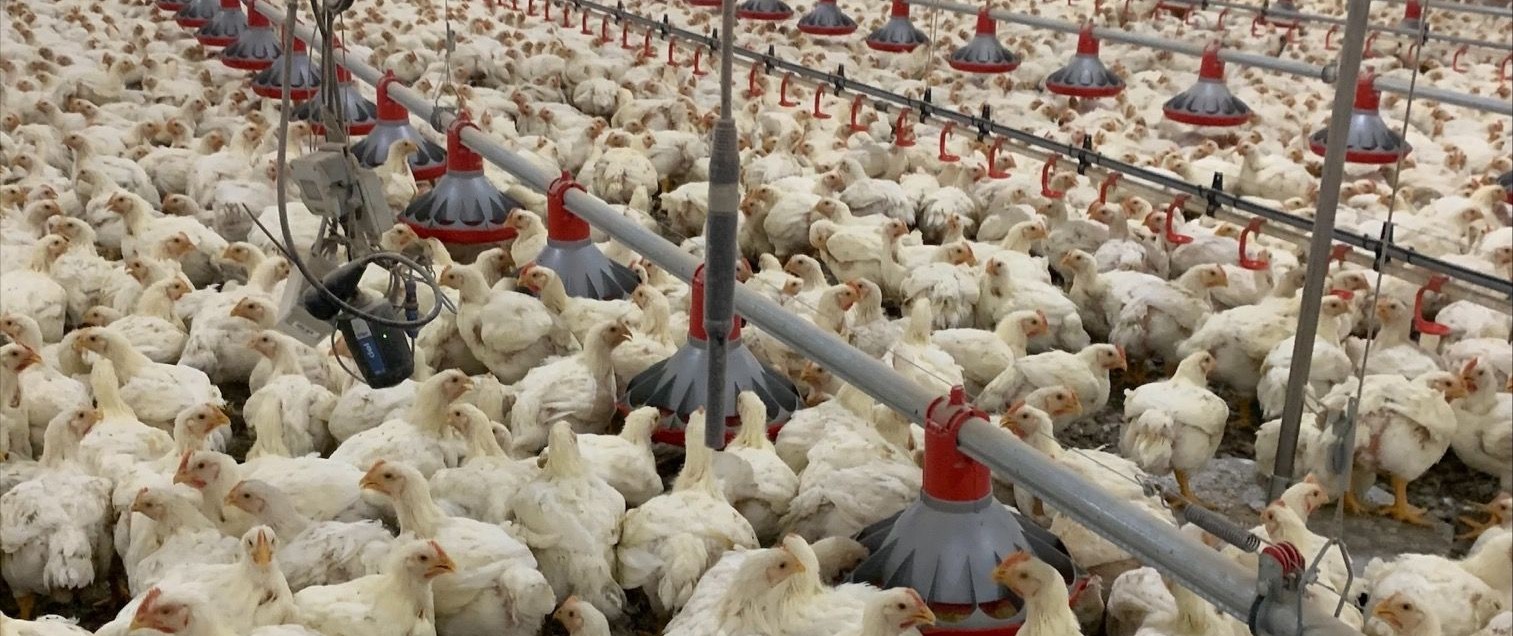
In one of our experimental studies, we focused on analyzing broiler chicken vocalizations to assess how these are influenced by carbon dioxide (CO₂) concentrations in the facilities, a key parameter for evaluating animal welfare. Since elevated CO₂ levels are common on farms and can negatively affect animal health and comfort, we investigated whether the acoustic features of the sounds emitted by the chickens could be correlated with these concentrations.
The recorded acoustic signals were processed to extract various acoustic features, with the aim of identifying which ones were most representative of the variations in CO₂ concentration.
The results showed that certain features, particularly specific MFCC (Mel-Frequency Cepstral Coefficients), were the most significant in relating vocal patterns to CO₂ levels. Furthermore, these features exhibited a more consistent and representative trend during the growth period between day 15 and day 40, suggesting that the age and development of the chicks influence the relationship between vocalizations and environmental conditions.
The study demonstrates that automated vocalization analysis can be used as an indirect tool to monitor environmental quality on poultry farms and, therefore, animal welfare. This paves the way for the development of Precision Livestock Farming systems based on acoustic data, capable of alerting farmers to situations of animal stress, such as ventilation issues.
For more information, you can read our articles:
